


Performing Salah is the second pillar of Islam and the most direct connection a Muslim has with Allah (SWT). For women, the prayer is a beautiful act of worship designed with specific postures that emphasize modesty, concealment, and devotion. Whether you are a new Muslim learning the basics or a born Muslim seeking to perfect your prayer, understanding the unique method for women is essential. At Quran Home School, we believe that mastering the correct method of Namaz for women brings immense peace and spiritual fulfillment.
Understanding the Unique Characteristics of Women’s Prayer
Before diving into the physical movements, it is crucial to understand the philosophy behind the differences in women’s Salah. The primary objective is to maintain Satr (concealment) and modesty during the entire act of worship. While the spiritual rewards are identical for men and women, the physical execution of the prayer reflects the unique physical and spiritual nature of a woman.
The postures are more compact and reserved. This ensures that a woman’s prayer is offered with maximum dignity, keeping her body close together and avoiding any movements that could expose her form. Following the Hanafi school of thought, which is widely practiced, these distinctions are well-documented in classical texts.
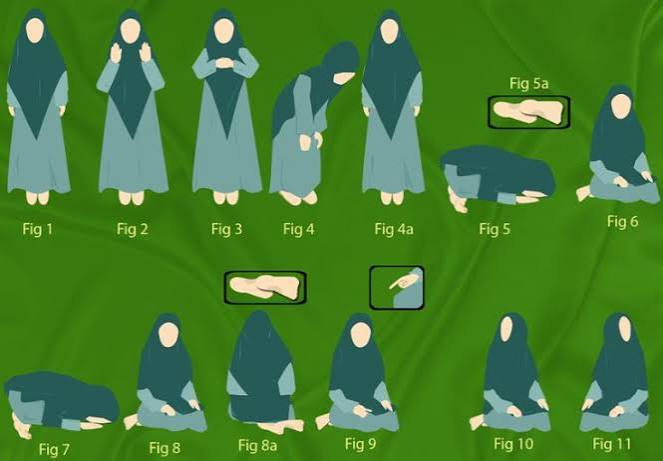
Step-by-Step Guide to Performing Salah for Women
Here is a detailed breakdown of how a woman should perform her five daily prayers.
1. Qiyam (Standing) and Niyyah (Intention)
- Covering: Ensure your entire body is covered except for the face, hands, and feet. The clothing should be loose-fitting and opaque.
- Intention: Stand facing the Qibla and make the intention in your heart for the specific prayer (e.g., “I intend to pray 2 Rakat Fard for Fajr”).
- Takbir Tahrima: Raise your hands up to your shoulders (not the ears like men) with the palms facing forward. Say “Allahu Akbar”.
- Posture: Place your hands on your chest. The right hand should be placed over the left hand, but you should not form a ring around the wrist with your fingers. The palms should face the chest.
- Recitation: Start with Sana (Subhanaka Allahumma…), then Ta’awwudh (A’oodhu Billahi…), then Bismillah, and recite Surah Al-Fatiha followed by a short Surah or verses. Recite in a soft voice if non-mahram men are present.
2. Ruku (Bowing)
- Movement: Say “Allahu Akbar” and bend into Ruku.
- Posture: Unlike men who keep their backs flat, a woman should bend her back slightly and gently. She should only bend enough for her hands to reach her knees.
- Hands & Arms: Place your fingers on your knees without grasping them. Keep your fingers close together. Keep your arms pressed against your sides and your ankles joined together.
- Tasbih: Say “Subhana Rabbiyal Adheem” three times.
3. Standing Up (Qawmah)
- Movement: Rise from Ruku saying “Sami’ Allahu Liman Hamidah” and then stand straight saying “Rabbana Lakal Hamd”.
- Posture: Stand completely upright before going into Sujood.
4. Sujood (Prostration)
- Descent: Go down to the floor saying “Allahu Akbar”. Place your knees on the floor first, followed by your hands, and then your nose and forehead.
- Posture: This is the most distinct part. A woman should keep herself compact.
- Tasbih: Say “Subhana Rabbiyal A’la” three times.
5. Jalsa (Sitting between Sujoods)
- Movement: Say “Allahu Akbar” and sit up.
- Posture: Sit on your buttocks with your legs folded out to the right side. Your left thigh should rest on your right thigh. Keep your hands on your thighs with fingers pointing towards Qibla.
- Dua: It is recommended to say “Rabbighfir Li” (My Lord, forgive me).
6. Tashahhud (Sitting for Testification)
- Posture: After the second Rak’ah, sit in the same manner as above (on your buttocks, legs out to the right).
- Recitation: Recite the Tashahhud (Attahiyyatu Lillahi…). When you reach the Shahadah, raise your index finger to signify the Oneness of Allah.
- Completion: If it is a 3 or 4 Rak’ah prayer, stand up for the third Rak’ah. If it is the final sitting, recite Durood Ibrahim and a Dua.
7. Tasleem (Ending the Prayer)
- Movement: Turn your face to the right and say “Assalamu Alaikum wa Rahmatullah”. Then turn to the left and repeat.
- Intention: With this, your Salah is complete.
Common Mistakes to Avoid
- Spreading the Arms: Many women mistakenly spread their arms wide during Sujood, which is the Sunnah for men. Women must keep everything tight and close to the body.
- Raising Hands to Ears: Women raise hands only to the shoulders, not the ears.
- Grasping Knees: In Ruku, women should not clasp their knees with their fingers; they simply rest the hands on the knees.
- Loud Recitation: If there is a risk of non-mahram men hearing your voice, it is preferred to recite quietly, even in Fajr, Maghrib, and Isha prayers.
Perfect Your Prayer with Quran Home School
Learning the exact boundaries of these movements can be tricky without a qualified instructor. At Quran Home School, we offer one-on-one online Quran classes tailored specifically for sisters and women. Our certified female Quran tutors provide a comfortable, judgement-free environment where you can ask questions and perfect your Namaz step-by-step.
Whether you need to learn Noorani Qaida from scratch or want to refine your Tajweed to make your Salah more beautiful, our expert teachers are here to guide you. We understand the importance of privacy, which is why our female tutors are perfectly suited to teach women the specific fiqh rulings related to women’s prayer.
Don’t let uncertainty hold you back from the spiritual ascent of Salah. Join Quran Home School today and let our compassionate teachers help you connect with your Creator through perfect prayer. Book your free trial class now and experience the difference of personalized Islamic education!